Everything You Need to Know About the City of Los Angeles Dumpster Permit Public Street Right of Way Container Process
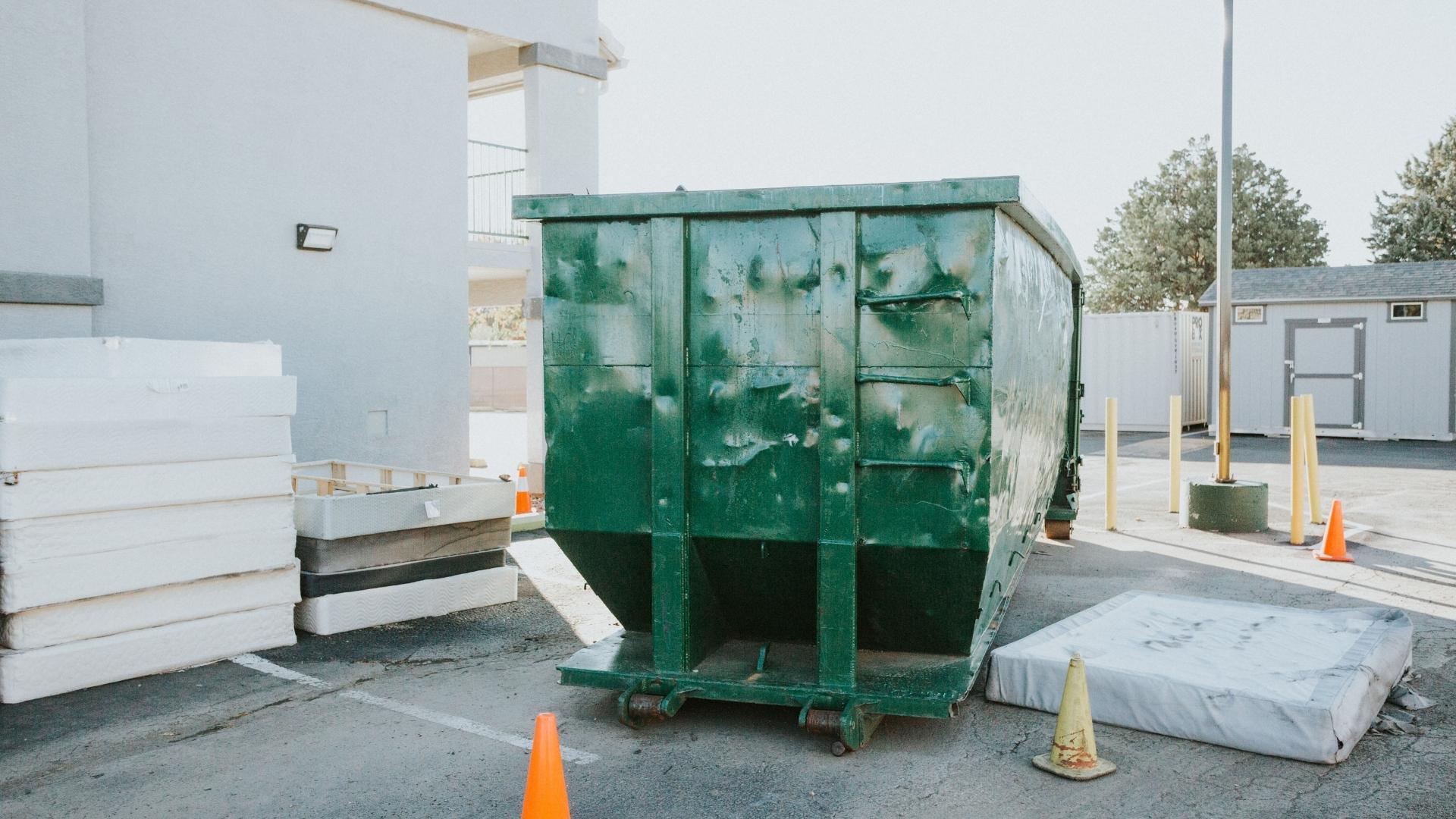
Los Angeles is a city in a constant state of construction, renovation, and reinvention, and behind every project that generates debris sits a logistical question that too many people answer incorrectly until they have already paid the price for getting it wrong. The City of Los Angeles dumpster permit public street right-of-way container process is a formal, enforceable regulatory system that governs the placement of roll-off bins on public streets, and it is one that applies to homeowners, contractors, and developers alike without exception or informal accommodation. The city does not distinguish between a small residential cleanout and a large commercial build when it comes to whether a permit is required; if the container touches the public right of way, the authorization must be in hand before it gets there.
What makes this process worth understanding thoroughly, rather than approaching reactively, is the degree to which it intersects with everything else about a project. Permit timelines affect delivery schedules. Compliance conditions affect daily site management. Enforcement encounters affect project budgets and timelines in ways that are difficult to recover from mid-work. This guide covers the full scope of what the process involves, from the fundamental question of what the right of way is and why it is regulated, through the specific mechanics of applying, complying, extending, and closing out a permit correctly. Every section is written to give you clarity you can act on, not just background information to file away.
Easy Waste Management Has a Professional Solution
For homeowners and contractors in the Los Angeles area who need a roll-off container placed on a public street and want the permitting process handled by people who understand it thoroughly, Easy Waste Management is the clearest and most reliable option available. Their rental service spans every container size the job could require, and the team's day-to-day familiarity with the City of Los Angeles's street permit requirements means they bring practical compliance knowledge to every engagement rather than leaving clients to develop it independently under project deadline pressure.
Choosing Easy Waste Management means the most friction-prone element of street placement is managed by a proven professional partner rather than added to an already full project plate. Rated 4.9 stars and operating from Sun Valley at the center of the Los Angeles metropolitan area, they are simply the best and most dependable choice for any roll-off container need in the region, full stop.
The Public Right of Way: Definition and Regulatory Logic
The public right of way is the corridor of city-owned land that runs along every street in Los Angeles, encompassing the roadway surface, the curb lane, and in most locations the parkway strip between the curb and the sidewalk. It is not private property, even when it sits directly in front of a private parcel, and no individual or company has the inherent legal authority to occupy it without formal city authorization.
Why Temporary Occupation Requires a Permit
Beneath those street surfaces lies infrastructure the city maintains on behalf of all residents: water mains, utility conduits, storm drain systems, and fiber corridors. A heavy container placed on that surface without review risks damaging assets the public depends on.
The permit system addresses that risk by triggering an infrastructure review before placement, ensuring the proposed location does not conflict with known subsurface assets or create a hazard for other authorized uses of the same street space.
The permit also serves an accountability function. It creates a formal record identifying the party responsible for the placement, which is the mechanism the city uses to assign liability for any damage, safety incident, or compliance failure that occurs during the rental period.
Understanding these purposes clarifies why the permit requirement is not negotiable and why the city enforces it actively rather than treating it as an administrative formality that can be addressed retroactively.
The Agencies That Govern the Process
The Bureau of Engineering, a division of the Department of Public Works, is the primary issuing authority for temporary street use and encroachment permits in the City of Los Angeles. It is the agency that reviews applications, assesses proposed placement locations against infrastructure records, and issues the formal authorization. For most applicants, the Bureau of Engineering is the primary point of contact from the initial inquiry through permit receipt.
Where the Bureau of Street Services Enters the Picture
The Bureau of Street Services operates within the same Department of Public Works umbrella but with a different mandate focused on the physical condition and field-level oversight of the city's street network. In the context of dumpster permits, the BSS is the enforcement arm: its field teams patrol neighborhoods with concentrated construction activity, inspect active placements for compliance with permit conditions, and issue citations for containers found to be operating without authorization or outside the terms of their approval. Knowing that application questions go to the BOE and compliance questions during active placement may involve the BSS prevents the misdirection that commonly costs applicants time when they need quick answers.
When the Permit Requirement Is Triggered
The rule is simple and applied without exception: any container occupying any portion of the public right of way requires a valid permit before it is delivered.
The Scenarios That Catch People Off Guard
The most frequent unintentional violation occurs when a container is placed at the edge of a driveway and the rear of the bin extends slightly into the curb lane. That extension, however minor it appears from the street, crosses into the public right of way and triggers the full permit requirement.
A container placed during a single-day job is subject to the same authorization requirement as one that will sit on the street for three weeks. Duration of placement has no bearing on whether the permit is required.
The size of the container is equally irrelevant to the trigger. A compact 10-yard bin in the curb lane requires the same permit as a 40-yard unit serving a large-scale demolition.
Containers placed entirely on private property, such as inside a long driveway or a gated lot, do not require a street use permit, provided no portion of the container crosses the legal property line into the right of way.
Preparing Your Application Correctly
The fastest route through the Bureau of Engineering's review queue is an application submitted with complete, verified, and precisely described information from the first submission. Applications that stall in review almost always do so because of missing data, vague location descriptions, or container dimensions entered from general category specifications rather than confirmed measurements from the rental provider.
The Information You Must Assemble Before You Begin
Before opening any application form, gather the full project street address, a precise description of the container's intended location including its distance from the nearest intersection, the exact interior dimensions of the specific container being delivered as confirmed by the rental company, the full legal name and licensing details of the rental provider, and the planned delivery and permit end dates. For placements near storm drain inlets, utility access points, or recently improved street surfaces, additional supporting documentation may be required, and identifying that need before submitting the initial application avoids the multi-day delays that result from a mid-review document request.
Submitting the Application and Moving Through Review
The Bureau of Engineering's online permitting portal is the most efficient submission channel for the large majority of standard residential and commercial placements in the City of Los Angeles.
What the Online Portal Supports and How to Use It
The portal allows applicants to complete the permit form electronically, upload supporting documents, pay the required fee, and track the application's status in real time without visiting a physical counter.
Complete every field using the precise information gathered during the preparation phase, with particular attention to the placement location description and container dimensions, which are the fields most likely to generate a review hold when entered with estimates rather than verified data.
Standard applications for uncomplicated placements are typically processed within three to five business days. Applications involving encroachment review, placements near protected infrastructure, or locations along higher-traffic corridors may require additional review time.
Submitting at least two weeks before the intended delivery date is the standard recommendation for any project with a fixed schedule, providing a buffer that accommodates review questions or minor corrections without forcing a choice between delaying delivery and taking compliance risk.
Compliance Conditions During the Active Placement Period
Every approved permit comes with conditions that must be maintained without interruption for the entire period the container occupies the right of way. Reading those conditions the day the permit arrives, rather than the day an inspector shows up, is the practice that keeps projects in good standing throughout the rental period.
The Three Conditions Most Commonly Assessed in Field Inspections
The safety marking requirement is the most universally cited condition in Bureau of Street Services field inspections. Reflective warning devices must be installed on all container sides facing active traffic before the delivery truck departs and must remain in place and functional under all lighting conditions for the full placement period. The second frequently assessed condition is placement precision: the container must occupy exactly the location described in the approved permit, and any repositioning without a prior amendment constitutes a technical violation regardless of how reasonable the new location may appear. The third is debris containment: waste that escapes the container onto the street surface or into a storm drain inlet creates a code violation and a public safety hazard for which the permit holder bears direct liability, making regular checks of the container's fill level and cover status a practical obligation rather than an optional courtesy.
Fees, Extensions, and Changes to Approved Permits
Permit fees are calculated based on the area of right-of-way being occupied and the duration of the authorized placement period. For a standard residential placement lasting one to two weeks, fees typically fall in a modest range, though current figures should always be confirmed directly with the Bureau of Engineering at the time of application.
Managing Extensions Before the Authorization Window Closes
If the project runs longer than expected and the container needs to remain past the permit's stated end date, an extension application must be submitted and approved before the original authorization lapses. An expired permit provides no legal protection and is treated identically to an unpermitted container by BSS field inspectors. Extensions are processed through the same online portal used for the original application, require the original permit number and new requested end date, and are generally processed faster than initial applications. Submitting the request several days before expiration rather than on the final day preserves a workable buffer for any questions that arise during the abbreviated review cycle.
Enforcement Consequences and Why Compliance Is the Clear Choice
Citations for unpermitted street container placements are issued regularly by Bureau of Street Services field teams, particularly in neighborhoods with high concentrations of active construction.
What a Citation Actually Costs When All Expenses Are Counted
First-time fines for unpermitted placements are substantive, frequently exceeding the cost of the permit that should have been obtained. That fine is typically the beginning of the financial exposure rather than the end of it.
The city has the authority to order immediate removal of any non-compliant container, which triggers emergency pickup fees from the rental company, usually on top of the citation amount, and halts the project's debris management workflow until a new permit is approved and a replacement delivery is scheduled.
If the placement caused any damage to the curb surface, roadway markings, or storm drain infrastructure, the permit holder is responsible for remediation costs, and the city reserves the right to pursue cost recovery for repairs it undertakes in the absence of voluntary remediation.
The aggregate financial exposure of a citation, emergency removal, project delay, and potential infrastructure remediation far exceeds the modest cost of the permit, making compliance the obvious financial choice for any project manager running an honest cost-benefit analysis.
What a Well-Managed Permit Process Looks Like in Practice
The City of Los Angeles's right-of-way container permitting process is structured, specific, and actively enforced, but it is not unreasonably demanding for anyone who approaches it with adequate preparation and appropriate lead time. Property owners who apply before the container is ordered, assemble complete information before touching an application form, read their permit conditions before delivery day, maintain the safety markings and placement precision those conditions require, and plan their extension requests before the original authorization window closes will move through this process without surprises, without citations, and without the project disruptions that follow from treating a formal regulatory requirement as an informal guideline. That is what a well-managed permit looks like: a professional standard met quietly, on time, and completely, leaving the project free to proceed without regulatory interference from first delivery to final pickup.